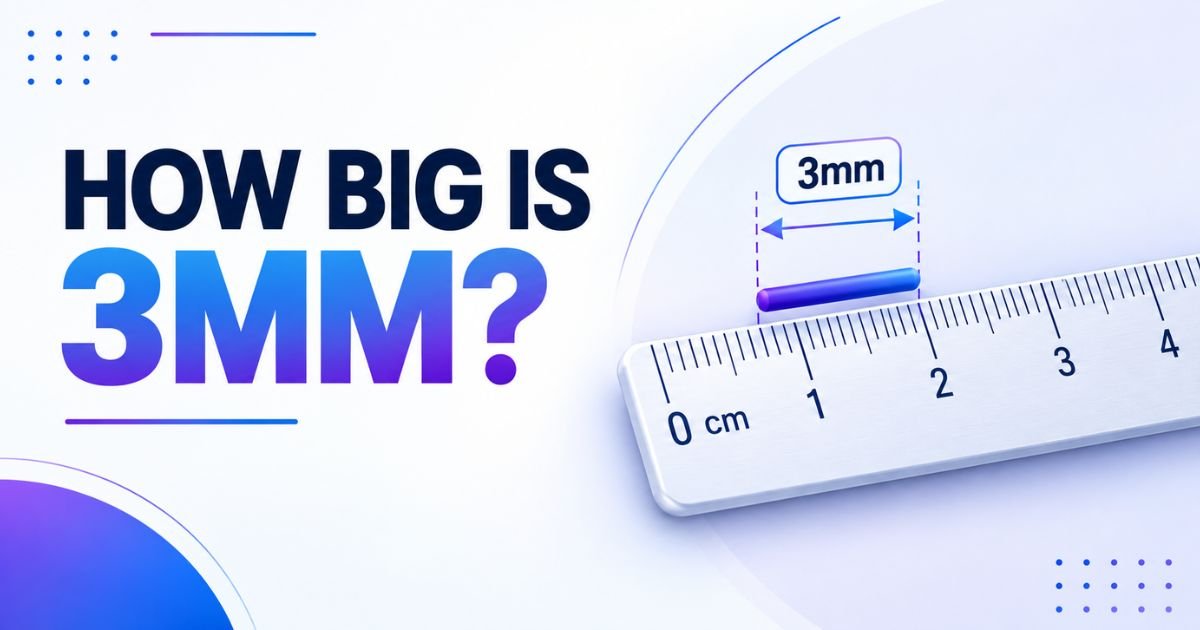
How Big Is 3mm? 12 Common Things That Are 3mm Size
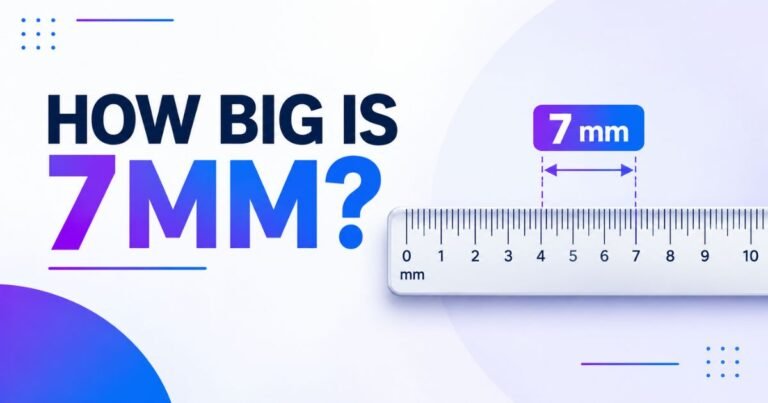
3mm may seem minuscule, but it represents a crucial measurement in many scenarios, translating to 0.3 centimeters, around 0.118 inches or slightly less than 1/8 of an inch.
Grasping the scale of 3 mm can enhance your comprehension of size and precision in multiple disciplines, such as design and manufacturing.
By the end of this article, you’ll have a greater understanding of the small dimensions that surround us and their impact on our daily experiences.
How Big Is 3 mm?
This seemingly tiny measurement equals 0.3 centimeters, or approximately 0.118 inches, making it just undersized for most common rulers.
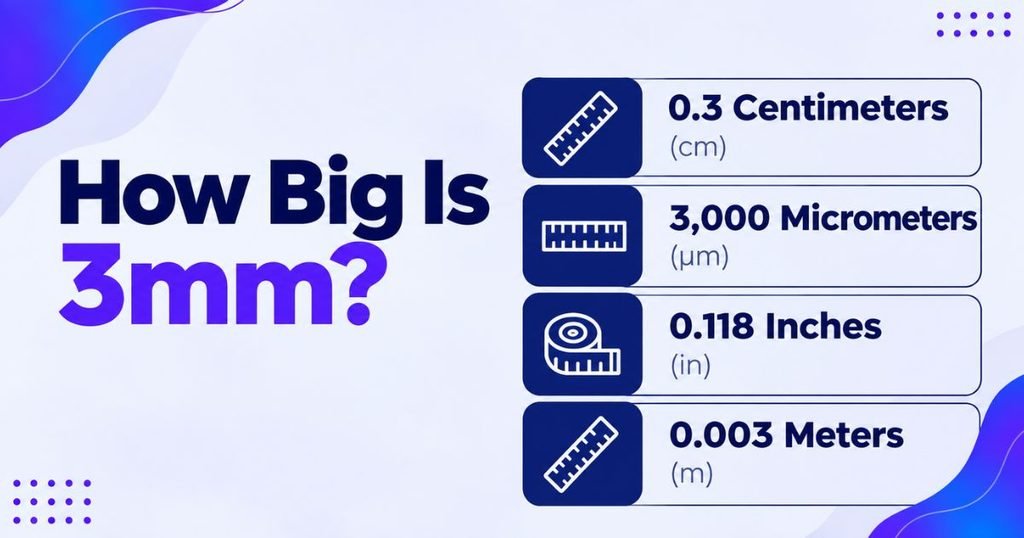
To put it into perspective, 3mm is equivalent to 3,000 micrometers and only 0.003 meters.
This measurement often found in everyday objects such as jewelry clasps, electronic components, and even fine art detailing.
3mm Conversion Chart
Below is a concise table representing some common conversions for a quick reference.
| Unit | Converted Value |
|---|---|
| Centimeters | 0.3 cm |
| Inches | 0.118 in |
| Micrometers | 3000 µm |
| Meters | 0.003 m |
Common Things That Are About 3mm in Size
Common things that are about 3mm in size can be surprisingly diverse, ranging from the thickness of a credit card to the diameter of a ballpoint pen tip. This table shows a 3 mm size comparison:
| Common Item | Approximate Size |
|---|---|
| Two stacked credit cards | 3mm |
| Pencil tip diameter | 3mm |
| Small button thickness | 3mm |
| Grain of rice thickness | 3mm |
| Coin stack | 3mm |
| Tiny screw head | 3mm |
| Jewelry bead | 3mm |
| Earphone wire thickness | 3mm |
| Phone charging cable | 3mm |
| Mechanical pencil tip guard | 3mm |
| Small LEGO piece thickness | 3mm |
| Thin craft foam sheet | 3mm |
Four Stacked Credit Cards
A single credit card typically measures around 0.76mm each. When comparing the thickness of four stacked credit cards, the combined measurement is around 3 mm.
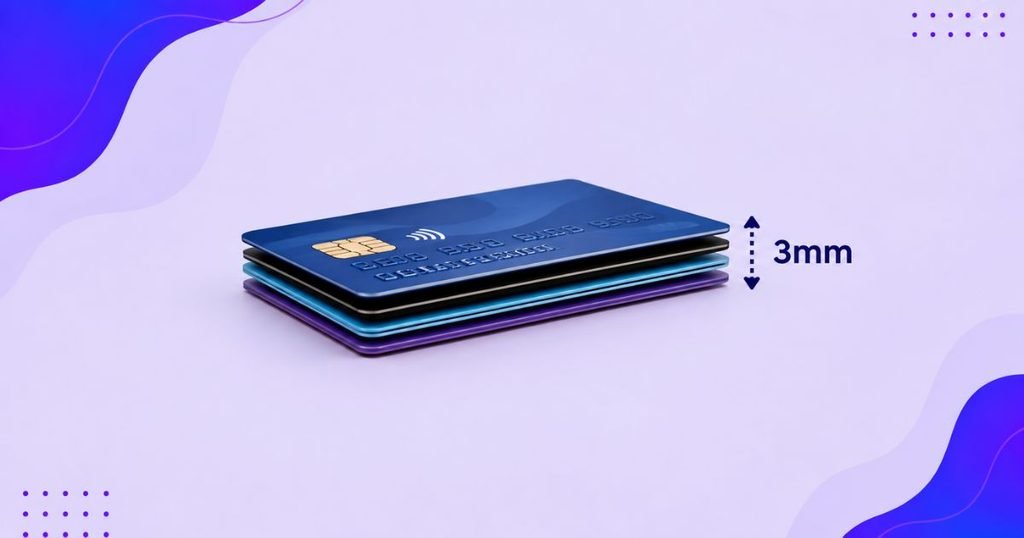
This seemingly minor thickness can be surprisingly deceptive, as it highlights how easily impactful innovations can fit into our daily lives.
Pencil Tip Diameter
A standard pencil tip, whether from a wood pencil or a mechanical pencil, often measures around 0.5mm to 0.7mm for finer lines.
A component with an approximate 3mm diameter can be found in various school and office tools.
Small Button Thickness
When considering small button thickness, approximately 3mm might not seem significant, but it plays a crucial role in the functionality and aesthetic of clothing and craft buttons.
The balance between a button’s thickness and its durability affects not only its design but also its usability, especially in items that endure regular wear and tear.
Grain of Rice Thickness
A grain of rice typically measures about 3 mm in thickness, providing an easy reference point for everyday comparisons.
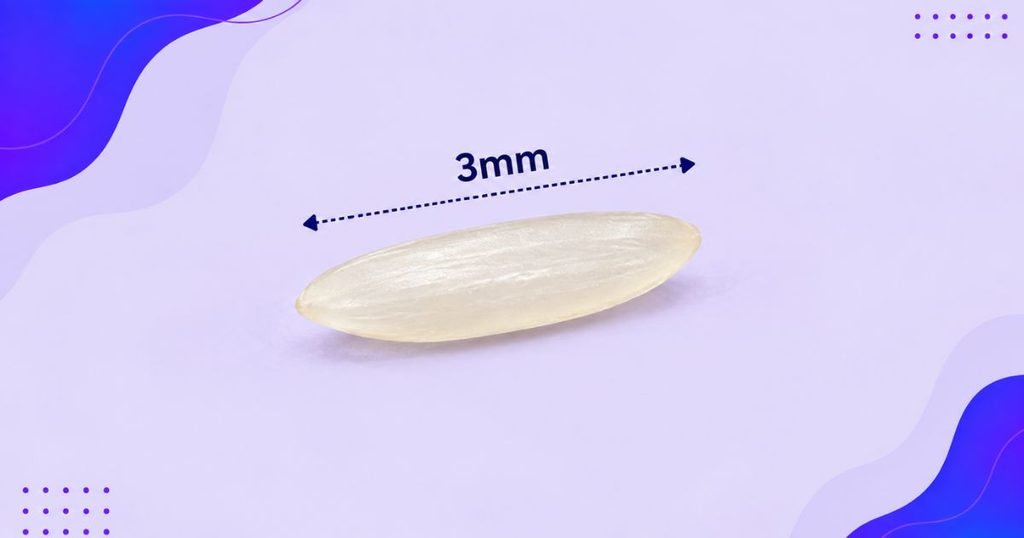
Not all rice varieties are created equal; they range from short-grain types like sushi rice to long-grain basmati, each varying in thickness and shape.
Coin Stack
A stack of a few thin coins can create a combined thickness of approximately 3mm, though individual coin thicknesses can vary.
Tiny Screw Head
The tiny screw head, measuring approximately 3 mm in diameter, plays a vital role in various applications, particularly in electronics and eyeglasses.
This miniature hardware component may seem insignificant, but its functionality is crucial for securing delicate parts together, ensuring durability in everyday devices such as smartphones and eyeglasses.
Jewelry Bead
With a bead diameter of merely 3 millimeters, these round beads are perfect for crafting delicate bracelets and necklaces that embody elegance.
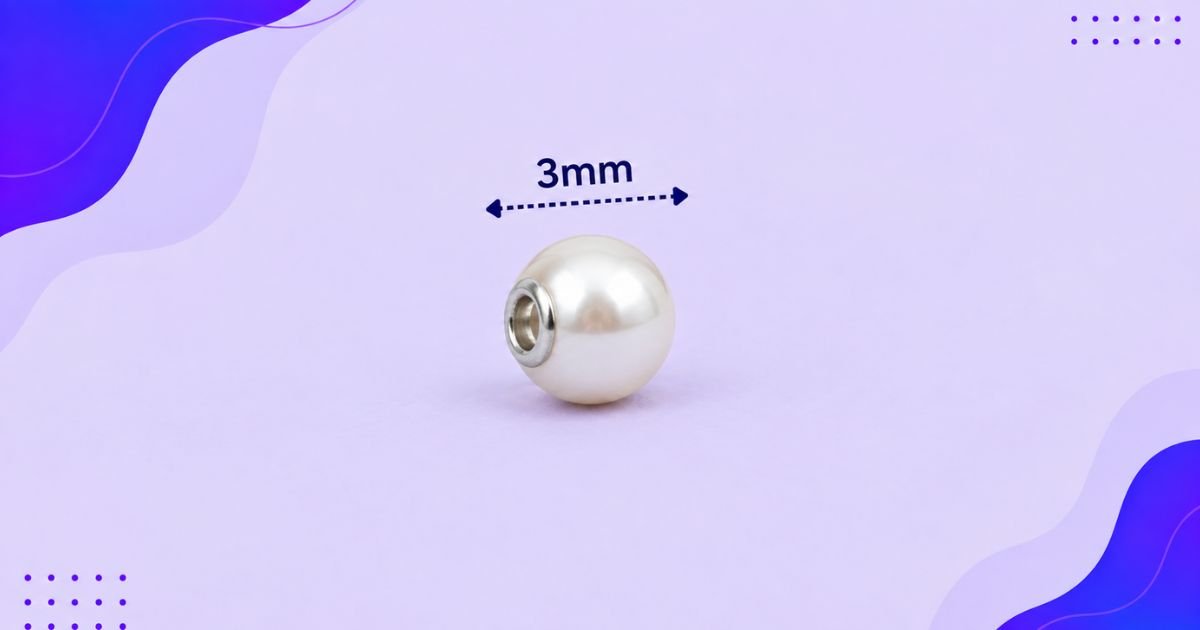
They can serve as the focal point of a design or act as supporting elements, enhancing the overall aesthetic without overwhelming it.
Earphone Wire Thickness
Earphone wire thickness can significantly affect sound quality and durability, with many cables featuring diameters around 3mm.
In headphone comparisons, thicker wires may promise better sound quality due to reduced resistance, but often, it’s the engineering behind the wire that matters more than the size alone.
Phone Charging Cable
The phone charging cable, an essential item in our daily lives, typically boasts a thickness of approximately 3 mm, making it a flexible cylindrical object that fits seamlessly into our routines.
This diameter not only contributes to the cable’s portability but also enhances its durability, allowing for twisting and bending without compromising performance.
Mechanical Pencil Tip Guard
The mechanical pencil tip guard, a small yet essential component, typically measures around 3mm in diameter.
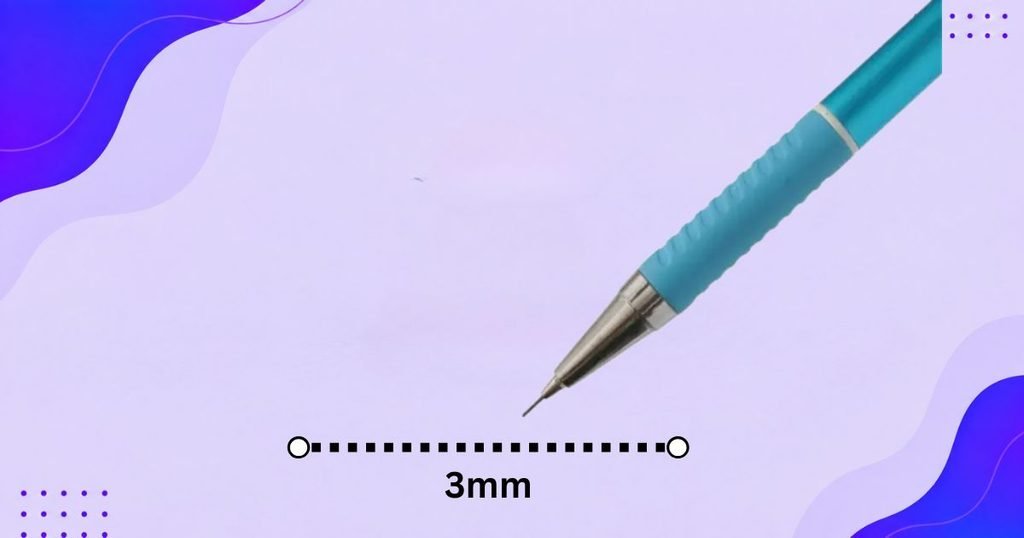
This protective metal tip ensures longevity and precision, safeguarding the pencil’s delicate graphite core against breakage during daily use.
Small LEGO Piece Thickness
When considering the thickness of a standard LEGO piece, it’s fascinating to note that it measures approximately 3mm.
This uniform thickness not only contributes to the structural integrity of the toy but also allows for seamless stacking and connectivity, much like other building blocks such as Mega Bloks or K’NEX.
Thin Craft Foam Sheet
Thin craft foam sheets are versatile materials, typically around 3mm in thickness, perfect for school projects and DIY creativity.
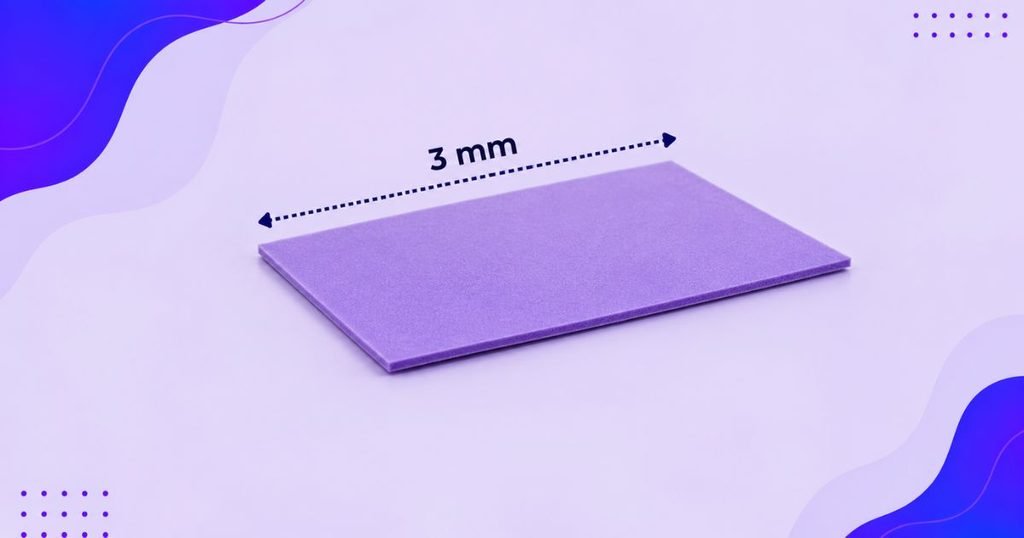
Their flexibility allows for various applications, whether cutting shapes for decorations or crafting imaginative models.
What Does 3 mm Look Like Compared to Everyday Objects?
Understanding what 3 mm looks like compared to these familiar objects can deepen our appreciation for scale in design and everyday life.
- Stacking four standard credit cards together equals approximately 3 mm in thickness, providing a practical reference for everyday use.
- A typical charging cable often measures around 3 mm in diameter, illustrating how common items match this measurement.
- A grain of rice is about 5 to 6 mm long, making 3 mm a subtle difference that’s easy to visualize when comparing.
- Small jewelry beads often come in varying sizes, with 3 mm beads being a popular choice for delicate designs.
- Tiny screw heads in household items, such as eyeglasses, usually hover around the 3 mm mark, showcasing precision in engineering.
How to Measure 3mm Without a Ruler?
By engaging with these various methods, you can enhance your understanding of measurement while leveraging common items in your environment.
- Credit Cards: Stack four standard credit cards (0.76mm each) to approximate 3mm thickness.
- Dimes: Two US dimes stacked together total around 2.7mm, nearly reaching 3mm.
- Smartphone Screen Ruler: Utilize an online virtual ruler, ensuring that your display scaling is accurate, to measure objects against your screen.
More Sizes Guide You May Like
- How Big is 2mm?: 2mm equals 0.08 inches; a size that often signifies small items like beads or delicate jewelry pieces.
- How Big Is 9mm?: 9mm translates to 0.35 inches; commonly associated with medium-sized findings like larger beads or craft materials.
Conclusion
3mm serves as a key reference point in both practical applications and artistic creations alike.
This diminutive measurement can be observed in items ranging from jewelry to machinery, highlighting the importance of detail in our surroundings.
FAQs
How Many Inches is 3 mm?
3 mm is approximately 0.1181 inches. To convert millimeters to inches, you can divide the number of millimeters by 25.4.
How Long is 3 mm?
3 mm is approximately 0.12 inches, just under 1/8 of an inch.
How Big is 3mm in Inches?
3 mm is approximately 0.1181 inches, which is just under 1/8 of an inch. For quick reference, 3 mm is slightly less than a 1/8 inch measurement.
How Thick is 3mm?
3 mm is equivalent to 0.1181 inches, which is slightly less than 1/8 of an inch.